
Modes & Servers
Pickup matches, ranked queues and the 12-player server cap in Volleyball Legends, plus console and PC control parity so squads can mix platforms freely.
Introduction
Every Volleyball Legends match runs inside the same tight server structure: 12 players maximum, which means a full lobby is exactly two teams of six on opposite sides of the net. Within that frame you have two main ways to play — casual pickup matches that fill automatically, and the competitive ranked queue where rotations and roles matter far more. On top of that, the game supports full control parity between PC and console, so mixed-platform squads can play together without anyone being disadvantaged. This section explains how lobbies fill, how premade groups change the experience, how the 12-player cap shapes team dynamics, and what to expect from queue times and server behavior across platforms.
Lobby Types Compared
| Lobby Type | Structure | Best For |
|---|---|---|
| Pickup Match | Auto-filled casual 6v6 | Learning without pressure |
| Ranked Queue | Competitive 6v6 with roles | Climbing with discipline |
| Premade Squad | Practiced six-stack | Coordinated rotations |
Ways to Play
Pickup Match
The default casual experience — lobbies fill automatically with whoever is available, making it the natural training ground for new players.
Ranked Queue
The competitive path where rotations, role discipline and consistent serve pressure actually determine who wins sets over a long session.
Premade Squad
Six friends queueing together — practiced rotations, shared call words and the structural advantage that coordination brings to any lobby.
Core Mechanics
The server model is the spine of the whole game. A 12-player cap means every full court is precisely two teams of six, so there is no bench, no substitutions and no hiding — every seat matters from serve one. Pickup lobbies fill automatically, dropping you into casual rallies with whoever is online; the ranked queue reuses the same 12-slot structure but matches you against coordinated squads where rotation order and defined roles determine outcomes. Premade groups can enter together, guaranteeing the rotation practice that random fill never provides. Console and PC players share the same lobbies with full input parity, so a mixed-platform friend group never needs to split up over hardware differences.
Advantages
The tight 12-player design creates unusually readable matches. Because a full server is exactly 6v6, rotation logic stays clean and every player’s court duty is meaningful — there is no filler slot diluting responsibility. Pickup mode gives new players a zero-pressure entry point that still teaches real rally structure, while ranked reuses the same fundamentals under competitive pressure, making progression between the two feel natural rather than disjointed. Full console-PC parity is a genuine strength for friend groups that would otherwise fragment across hardware. And premade support rewards social play directly: squads that invest in communication and rotation practice convert mechanical parity into consistent winning, which keeps the competitive scene healthy.
Challenges
The same rigidity that makes matches readable creates real constraints. A 12-player cap means a group of seven friends cannot play together in one lobby — someone sits out, full stop. Queue times and lobby fill quality vary with player population in your region and time zone, and sparse off-hours lobbies can stretch waits noticeably. Random pickup fill is a double-edged sword: it keeps lobbies accessible but guarantees uneven teammate quality, which frustrates players trying to practice structured play casually. Console parity, while solid, still leaves controller players facing the mechanical precision ceiling of mouse-and-key setups in some input situations. And once a match starts, leavers immediately unbalance the 6v6 structure with no substitution mechanism.
Frequently Asked Questions
How many players fit in one server?+
Can I play with friends on console and PC together?+
What is the difference between pickup and ranked?+
Quick Tips
Learn the game in pickup matches before queueing anything competitive. The casual lobby teaches you the same 6v6 rotation structure without any ranking consequences, letting your serve and receive consistency stabilize first so that competent opponents do not simply punish every gap in your fundamentals from the very first set.
Form a premade six-stack as soon as you have five reliable friends available to play regularly together. Practiced rotations and short call words compress decision time in every single rally, which converts equal mechanical skill into significantly more set wins than random fill can ever hope to provide over the same stretch of play.
Check lobby population before committing to long competitive sessions. Queue times and teammate quality vary noticeably by region and by time of day, and sparse off-hours lobbies can stretch waits far beyond what busy active windows deliver — timing your ranked play around those active hours keeps sessions efficient and frustration-free.
Featured
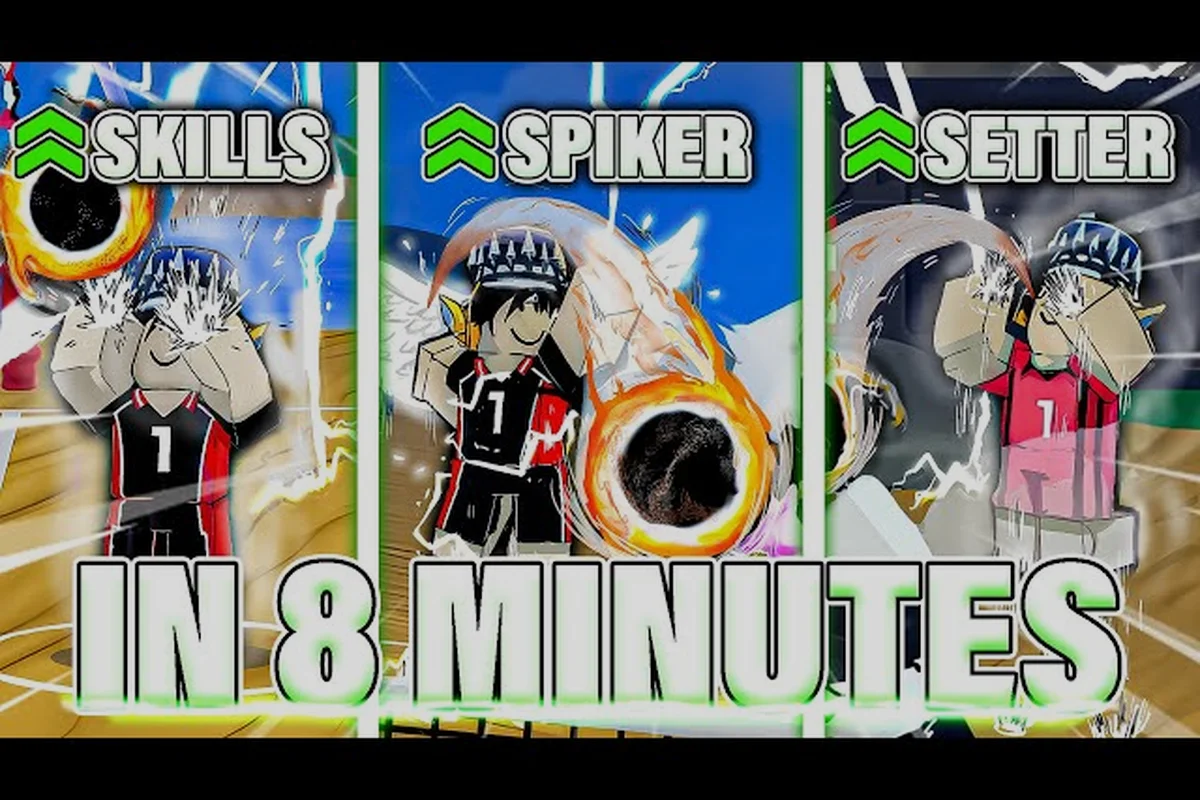
Volleyball Legends How Many Players Per Match and Mode
Find out volleyball legends how many players fill each mode, from 6v6 ranked to pickup, plus console and mobile controls so you can join any server fast.
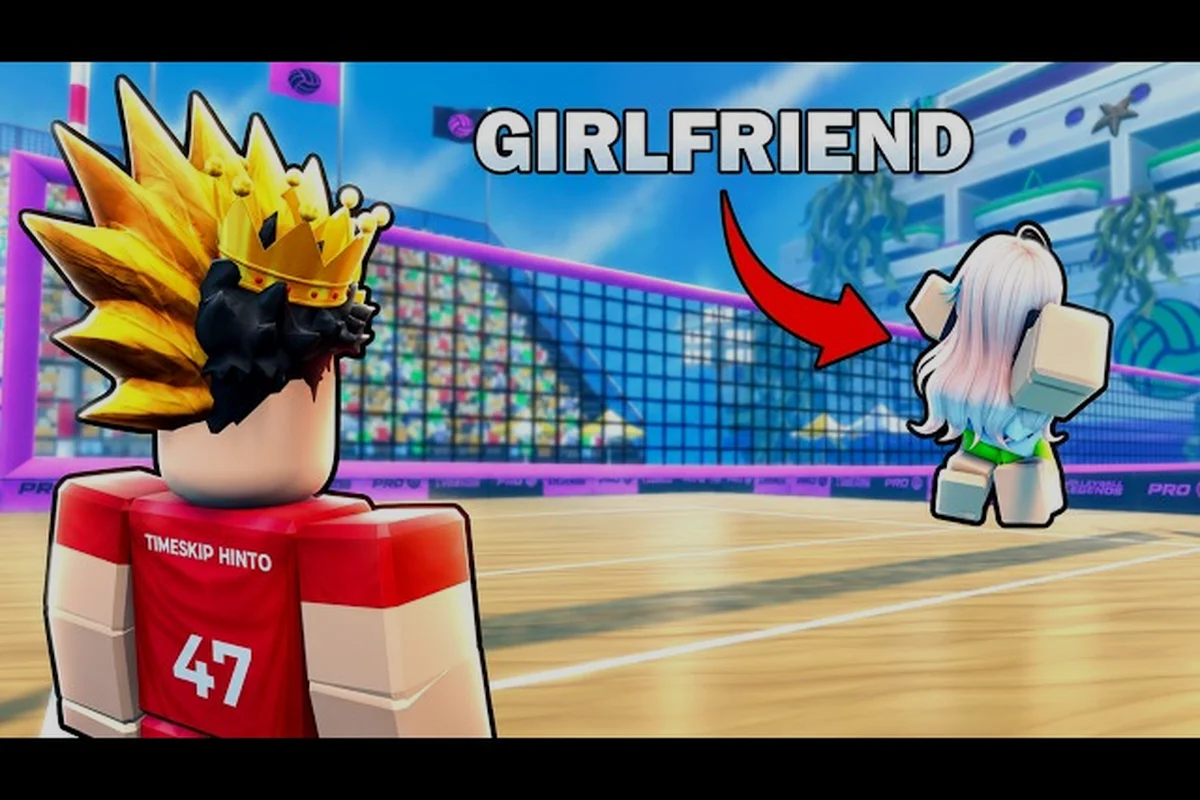
Volleyball Legends Play With Friends: Squad Setup Guide
Set up volleyball legends play with friends lobbies, manage team size, and fix connection issues so your whole squad queues together without getting split.
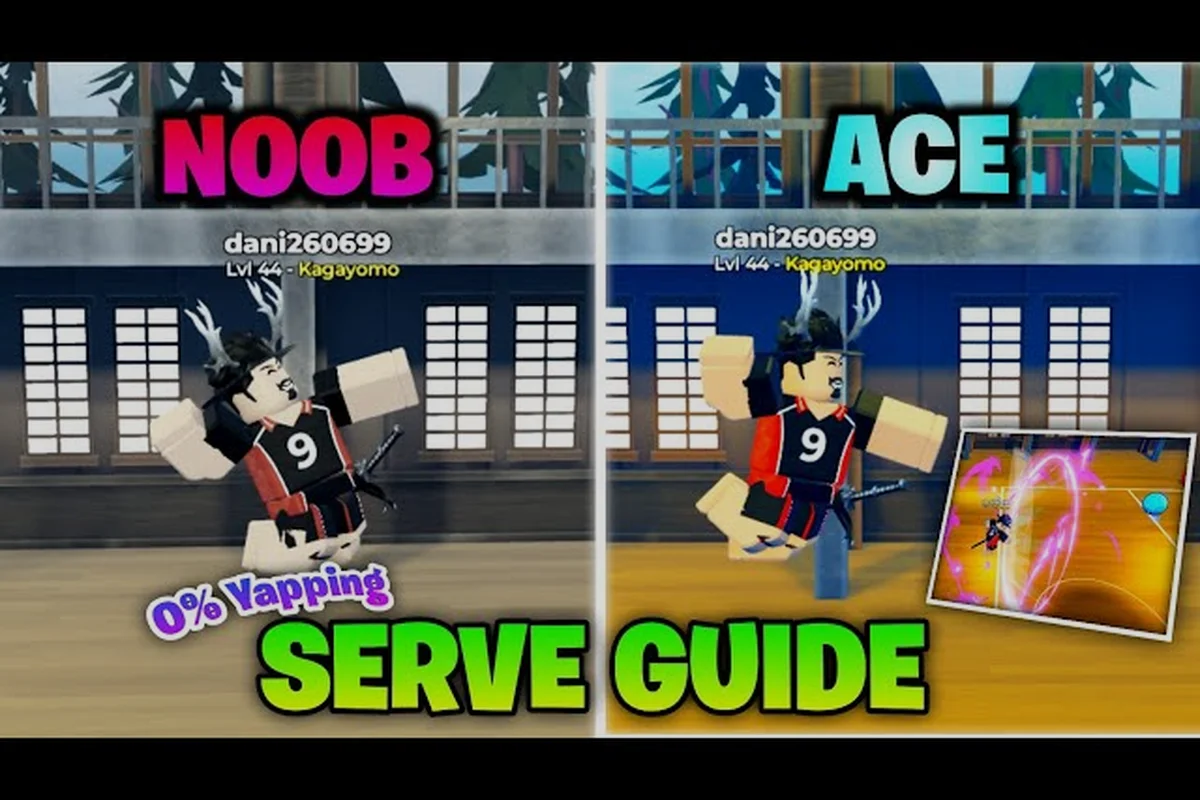
Volleyball Legends Servers: Ping, Lobby, and AFK Guide
Pick the best volleyball legends servers by ping and region, handle AFK and forfeit rules, and compare console vs PC lobbies for smoother unranked matches.
All Articles
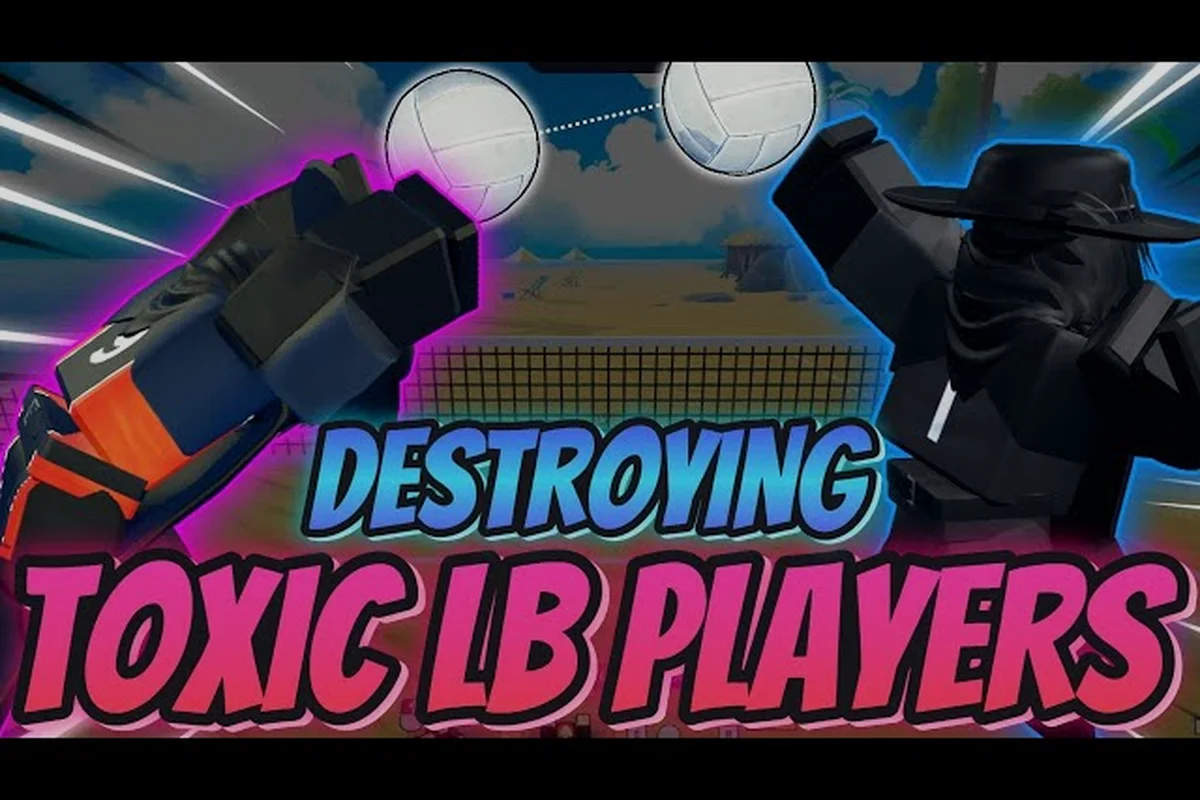
Volleyball Legends Full Server: Refresh, Regions, and Lag
Deal with a volleyball legends full server by switching regions, refreshing lobbies, and fixing laggy mobile or crossplay connections so you get into a match faster.
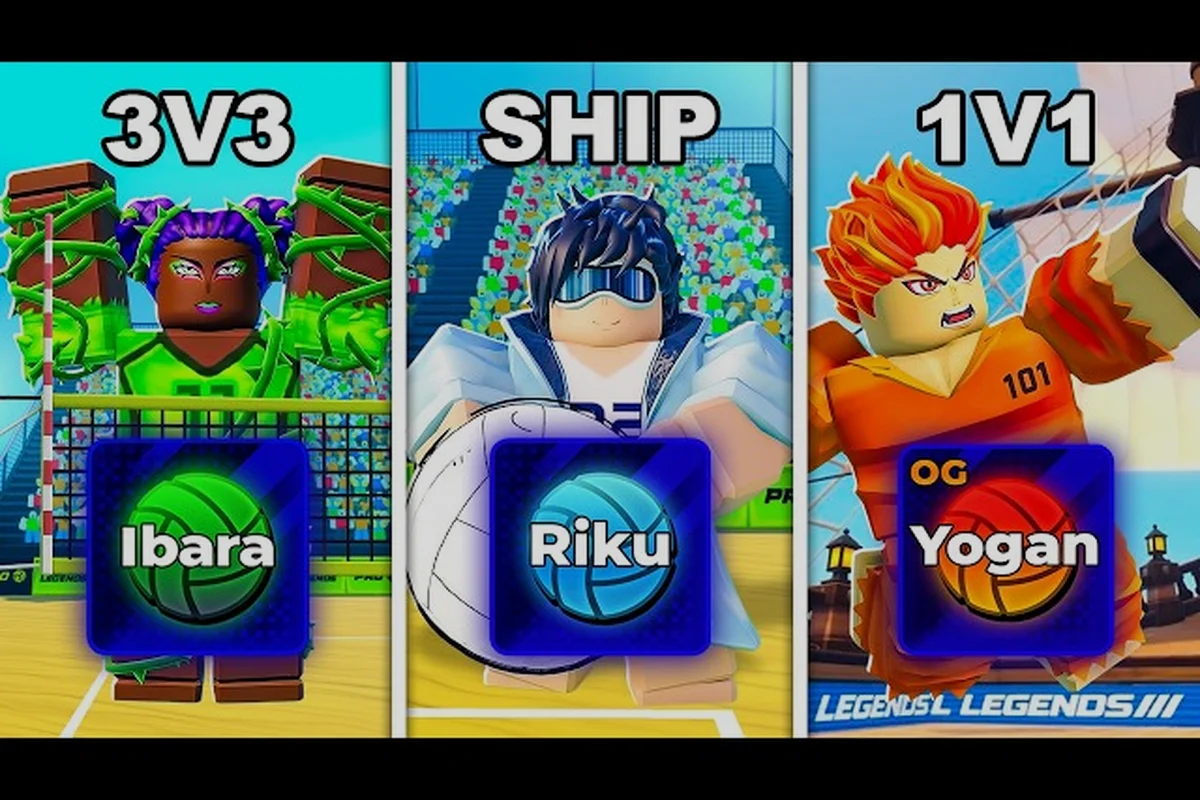
Volleyball Legends Game Modes: Pickup, Ranked, and 6v6
Compare volleyball legends game modes from pickup and ranked to 6v6 and private VIP servers, with server size details and which queue fits your playstyle.

Volleyball Legends Leaving Matches: Penalties and Practice
Understand volleyball legends leaving matches penalties, how custom and versus modes work for casual practice, and when the game refills your spot with server fills.