
Tier List
The living Volleyball Legends style tier list: S-tier picks for ranked climbing, underrated kits, and what moves when a balance patch reshuffles the rankings.
Introduction
The tier list page is the living ranking of every documented style in Volleyball Legends, refreshed whenever a balance patch reshuffles the meta. Placement here reflects ranked impact — how reliably a kit carries lobbies on both sides of the net — not raw flashiness. S-tier picks are the styles that define the current competitive conversation, A-tier kits are strong and dependable for climbing without gambling on rare rolls, and lower tiers still have specific matchups where they shine. Because new kits ship with the weekly Saturday updates and reworks regularly move multiple styles at once, treat every ranking as a snapshot: each entry notes what the placement depends on, so you can judge whether a recent patch has already invalidated it.
Tier Breakdown
| Tier | Meaning | How to Use It |
|---|---|---|
| S | Meta-defining kits that carry ranked lobbies | Lock these if you own them and climb now |
| A | Strong, reliable picks for steady climbing | Excellent without gambling on rare rolls |
| B | Situational kits that shine in coordinated squads | Pick with a defined team role in mind |
Tier Summaries
S-Tier Picks
The meta-defining styles of the current patch — kits whose passives and actives consistently decide points on both offense and defense.
A-Tier Workhorses
Dependable climbers that rarely hard-lose a matchup, ideal when you want consistent results without chasing the rarest rolls.
B-Tier Specialists
Situational kits that become genuinely strong inside the right coordinated squad, but feel noticeably weaker in unstructured pickup lobbies.
C Tier
Situational picks that fade in endgame
Core Mechanics
Tier placement in Volleyball Legends is driven by three interacting factors. First, passive quality: how much the style improves receive, set stability, spike power or defensive coverage without any active input. Second, active impact: whether the kit contains a rally-flipping skill, and how often that skill realistically changes a point. Third, patch context: balance notes regularly rework exactly these numbers, which is why the same kit can move two tiers in a single week. The rankings on this page synthesize those factors through a ranked-impact lens — how the kit performs across many matches with average teammates — rather than highlight-reel potential, because climbing is a volume game, not a clips game.
Advantages
A maintained tier list turns an overwhelming style roster into a short, actionable shortlist. Instead of testing every kit blind, you can start from the top of the rankings and only spend spins on directions that match the current meta. The tier framing also clarifies trade-offs that raw stat comparisons hide: an A-tier all-rounder may outperform an S-tier specialist in your hands if your fundamentals suit consistency over explosiveness. For coordinated squads, the list doubles as a drafting tool — pairing an S-tier defensive anchor with an A-tier aggressive server covers both halves of a rally. And because every entry is tied to a patch context, the page doubles as a history of how the competitive landscape has shifted over recent updates.
Challenges
The honest weakness of any tier list is shelf life. Weekly patches and frequent reworks mean a ranking verified today can be stale within a week, especially for freshly released or freshly buffed kits. Tier lists also compress individual skill into an average: a B-tier specialist in the hands of a one-trick main with perfect active timing will outplay a casual S-tier picker most of the time. Community consensus itself lags behind discovery — underrated kits often sit two tiers below where informed players already place them. Finally, rankings describe ranked impact; pickup lobbies with chaotic rotations value different strengths, so the tier that dominates competitive queues is not always the one that feels best in casual play.
Frequently Asked Questions
How often is the tier list updated?+
Can a lower-tier style still work in ranked?+
What makes a style reach S tier?+
Quick Tips
Treat every tier placement as a snapshot stamped to the current patch. Balance notes in this game move styles quickly, so before you sink a large Yen bank into rolling a top kit, confirm the placement was actually refreshed after the most recent Saturday update rather than inherited from an older list.
Draft around your own fundamentals, not pure tier order. If your receive and positioning excel at sustained defense, an A-tier defensive anchor will win you far more sets than an S-tier kit built around explosive offense you cannot yet execute consistently under ranked pressure. Match the kit to the habits you already perform well.
Pair tiers when you play with a premade squad. One S-tier defensive kit plus one A-tier aggressive kit usually outperforms stacking three similar kits, because covering both the receive phase and the attack phase matters more than raw individual tier height in coordinated 6v6 team play. Discuss the pairing before queueing.
Featured

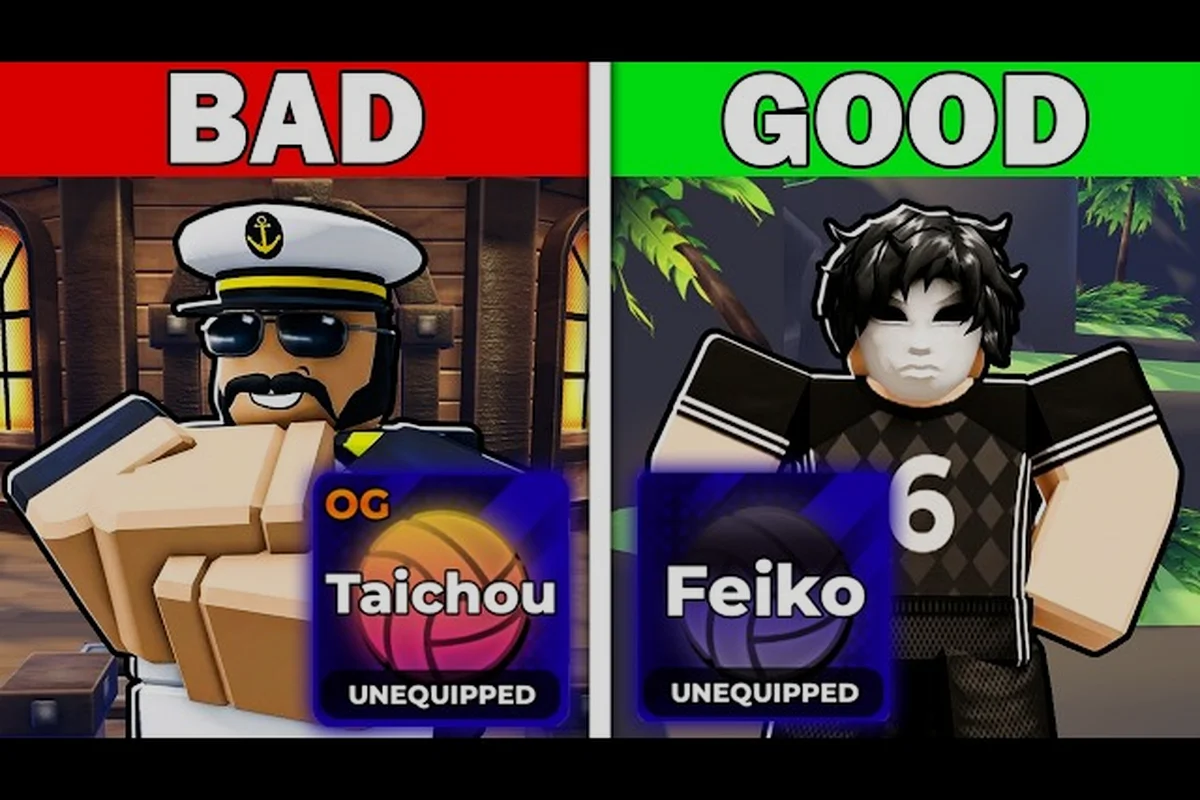
Volleyball Legends Best All Round Style for Every Position
Find the volleyball legends best all round style that performs in serve, spike, block, and receive, so you can flex into any role without switching builds.
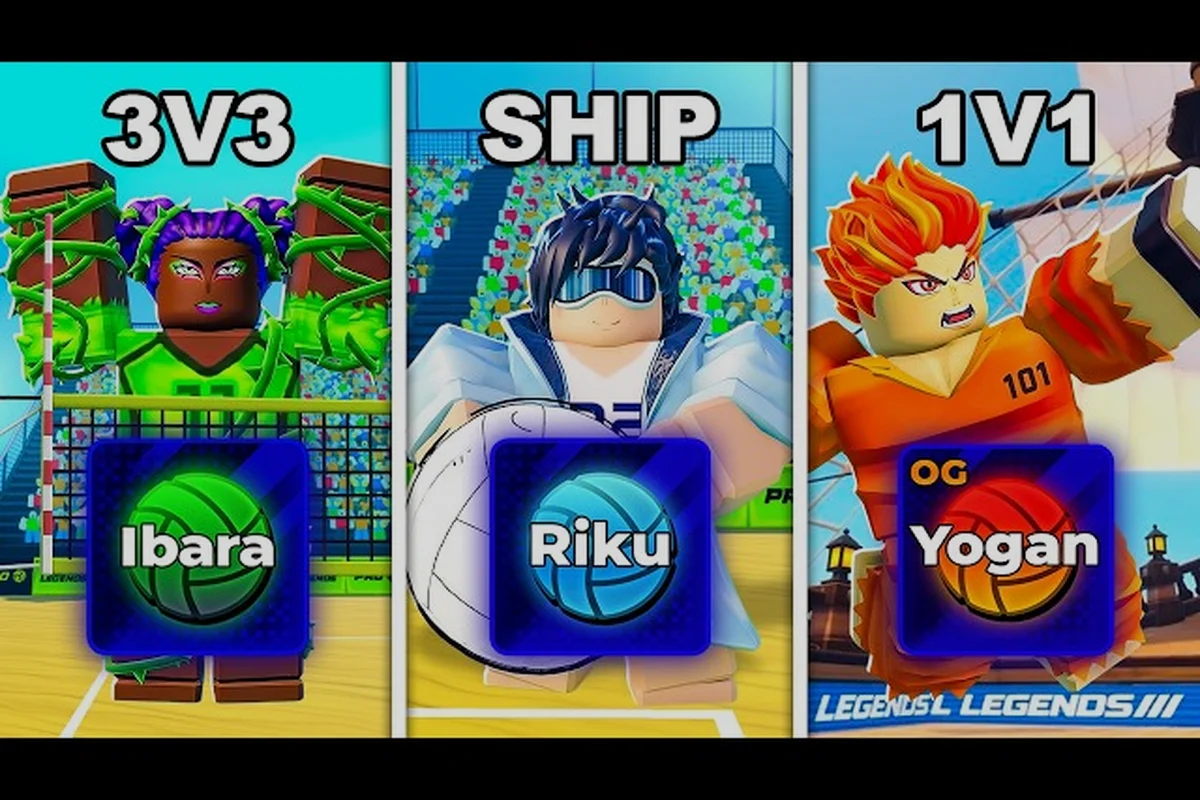
Volleyball Legends Best Setter Ranking: Top Playmakers Compared
See the volleyball legends best setter ranking with community and pro picks, plus which spikers, blockers, and receivers round out the strongest lineups.
Volleyball Legends Meta Tier List: What Pros Pick Now
Compare the volleyball legends meta tier list for 2026 with the strongest offense and defense styles ranked side by side, plus which weak picks to avoid.
All Articles
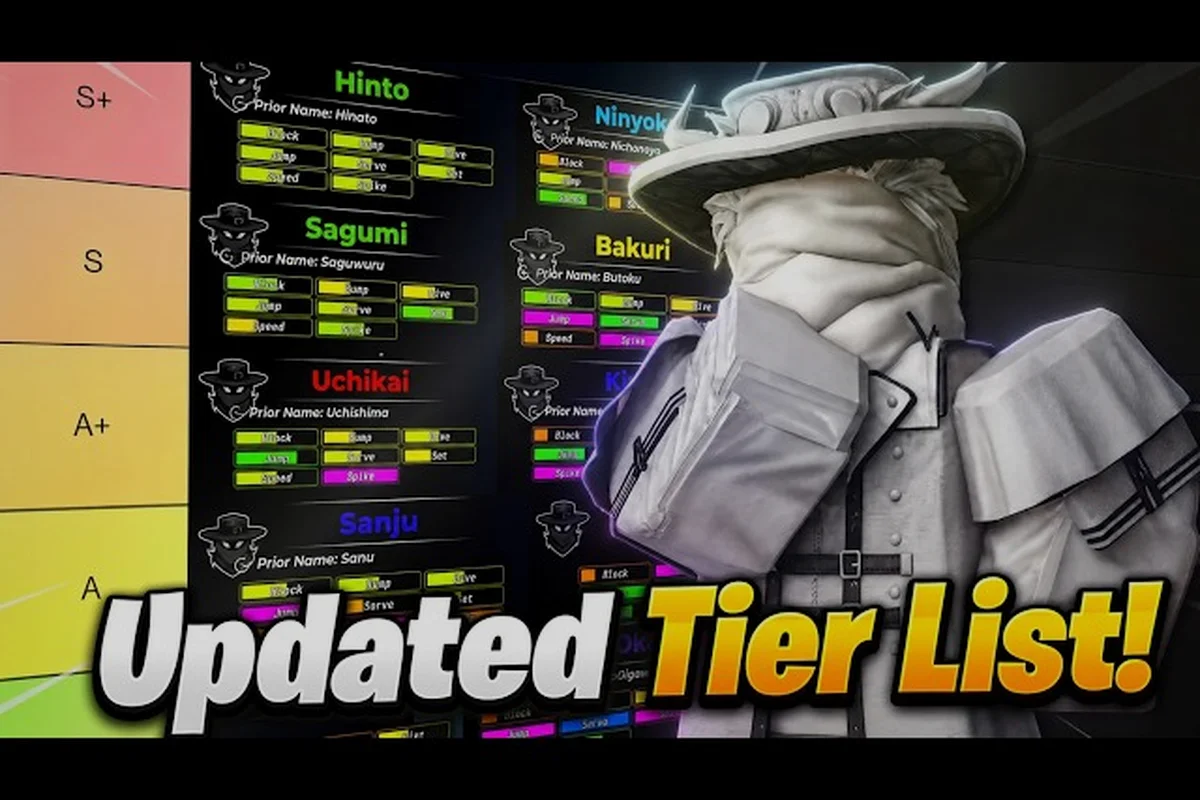
Volleyball Legends Tier List Update: All Styles Ranked
See the updated volleyball legends tier list with every S-tier secret spiker and A-tier style ranked by ability, so you know which rolls actually win matches.

Volleyball Legends Nerfed Styles: Every Buff and Nerf Listed
Track every volleyball legends nerfed style and buff in the latest update, with stat comparisons showing which secret styles gained or lost meta power.

Volleyball Legends Pro Player Picks for the Current Meta
See which styles volleyball legends pro player picks favor after the latest balance patch, including broken tournament picks and what top-ranked players avoid.

Volleyball Legends Style Viability: Endgame Picks Ranked
See which volleyball legends style viability picks survive endgame ranked play, how tier makers split OP secret spikers from dead picks, and what to roll next.