
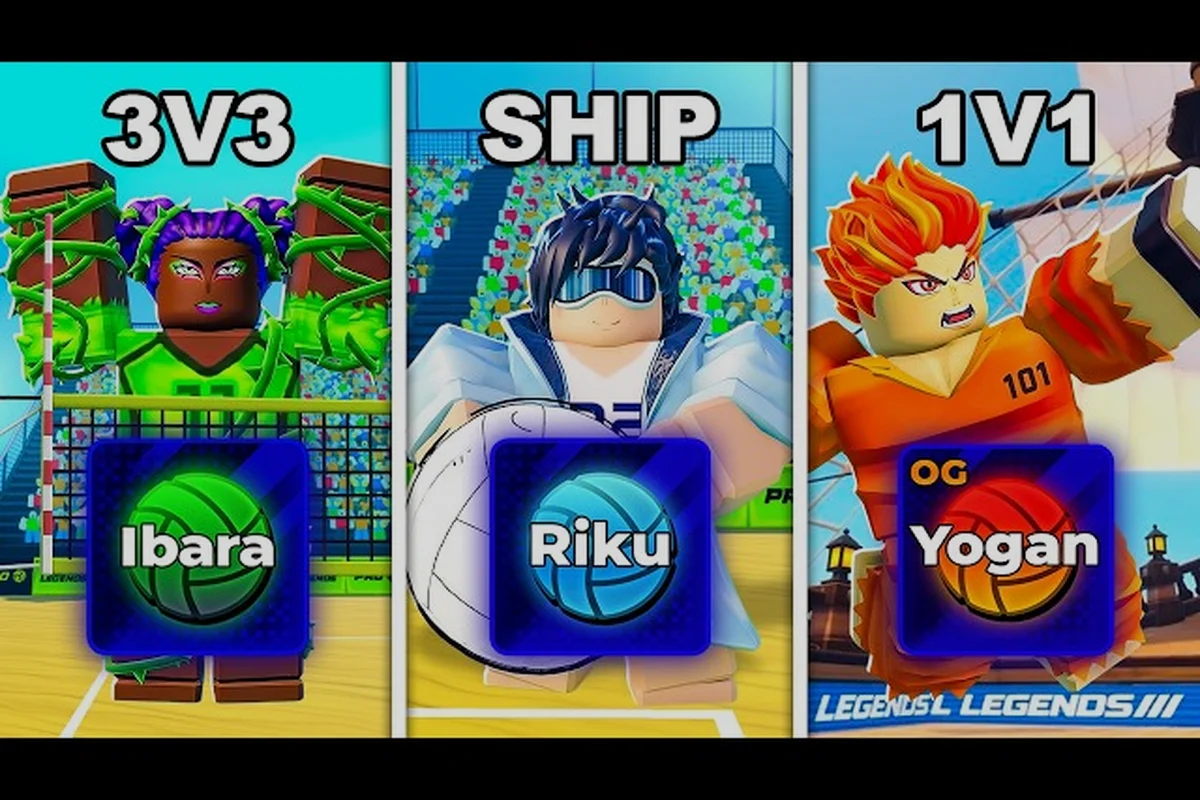
The current volleyball legends meta tier list has shifted dramatically as players discover which styles actually hold up in competitive ranked matches. Understanding the strongest styles right now matters because picking a low-tier style can cost you positioning, timing, and ultimately entire sets against coordinated opponents. This breakdown ranks every major style by its practical impact on offense and defense, so you can stop guessing and start winning.
What Defines the Current Meta Landscape
The 2026 meta in Volleyball Legends revolves around styles that combine reliable active abilities with passives that scale well into late-game rallies. Community testing shows that the gap between top-tier and bottom-tier styles has widened since the last balance patch, with a few standout picks dominating ranked queues while others struggle to find any competitive niche. Players who track the volleyball legends tier list 2026 consistently report that utility and consistency now outweigh raw spike power in most matchups.
How Style Rankings Are Determined
Ranking styles accurately requires looking at three core factors: offensive pressure, defensive reliability, and how well a style's passive synergizes with common team compositions. A style that looks strong in isolation can fall apart when it cannot rotate properly or when its active ability leaves the team vulnerable during recovery frames. The strongest styles in this meta all share one trait: they contribute value even when they are not the primary scorer.
| Ranking Factor | What It Measures | Weight in Meta |
|---|---|---|
| Offensive Pressure | Spike speed, serve difficulty, scoring consistency | 35% |
| Defensive Reliability | Block timing, receive stability, floor coverage | 35% |
| Passive Synergy | How well the style supports teammates and rotations | 30% |
The table above reflects how top players evaluate styles when building their ranked loadouts. While individual skill always matters, the meta tier list rewards styles that minimize weaknesses rather than maximize a single flashy strength. This is why some historically popular offensive styles have dropped while balanced picks have climbed.
Why the Meta Shifted in 2026
Several balance adjustments and community discoveries reshaped the volleyball legends meta tier list this year. Players found that certain defensive passives could completely neutralize previously dominant spike-focused styles, forcing a broader shift toward versatility. The result is a meta where the best style ranked is often the one that can adapt mid-set rather than the one with the highest theoretical damage output.
S-Tier Styles: The Undisputed Meta Picks
S-tier styles represent the strongest options in the current volleyball legends meta tier list, and they appear in nearly every high-level ranked match. These styles offer exceptional value in both offense and defense, making them safe first picks regardless of team composition. If you want to climb consistently, mastering at least one S-tier style is essentially mandatory.
According to the official volleyball legends meta tier list video breakdown, the tier placements are based on each legend’s raw stat ceilings, ability cooldowns, and how consistently their mechanics perform across ranked play rather than on casual or highlight-reel moments.
The Best Offense Style in the Current Meta
When players discuss the volleyball legends best offense style, one pick consistently dominates the conversation. This style combines a fast spike animation with a passive that increases scoring chance after successful receives, creating a snowball effect that punishes defensive mistakes. According to community data, this style maintains the highest win rate among aggressive players who prioritize point pressure.
| Offense Style | Spike Speed | Serve Difficulty | Passive Impact | Overall Rank |
|---|---|---|---|---|
| Thunder Spike | Very High | High | Increases damage after 3 consecutive receives | S |
| Blaze Cannon | High | Medium | Bonus points on cross-court spikes | A |
| Frost Drive | Medium | High | Slows opponent movement on serve | A |
The Thunder Spike style stands out because its passive rewards the exact behavior that good teams already prioritize: consistent receives leading to aggressive counterattacks. While Blaze Cannon offers flashy cross-court potential, its passive only activates in specific angles, making it less reliable in chaotic rallies. Frost Drive remains a solid alternative for players who prefer controlling tempo through serves rather than raw spike power.
The Best Defense Style for Ranked Play
On the defensive side, the volleyball legends best defense style provides unmatched floor coverage and block timing. This style's passive reduces recovery frames after failed blocks, allowing players to immediately transition into a receive position instead of being stuck in a vulnerable animation. High-level players report that this single passive change transforms how aggressively they can commit to blocks.
| Defense Style | Block Timing | Receive Stability | Passive Impact | Overall Rank |
|---|---|---|---|---|
| Iron Wall | Very High | High | Reduces block recovery frames by 40% | S |
| Swift Guard | High | Very High | Increases receive radius after diving | A |
| Anchor Stance | Medium | High | Prevents knockback on powerful spikes | A |
Iron Wall dominates defensive rankings because its passive directly addresses the biggest weakness of blocking: the recovery window. When a block fails, most styles leave the player unable to react for a critical moment, but Iron Wall cuts that window dramatically. Swift Guard offers better raw receive coverage, while Anchor Stance provides stability against heavy hitters, but neither matches the sheer consistency of Iron Wall in ranked play.
A-Tier Styles: Strong Alternatives Worth Mastering
A-tier styles in the volleyball legends meta tier list are highly competitive but lack the universal applicability of S-tier picks. These styles excel in specific roles or team compositions, and they can absolutely carry games when played to their strengths. However, they have clearer weaknesses that opponents can exploit, which keeps them just below the top tier.
Situational Offense Picks
Several A-tier offense styles offer powerful tools for players who understand their limitations. These styles reward specific play patterns and can dominate against unprepared opponents, but they struggle when forced outside their comfort zone. The key to success with A-tier offense styles is recognizing when they fit the matchup.
| A-Tier Offense Style | Strengths | Weaknesses | Best Used When |
|---|---|---|---|
| Blaze Cannon | High cross-court damage | Passive requires specific angles | Opponent defense is slow to rotate |
| Frost Drive | Strong serve pressure | Lower spike speed | You control the serve tempo |
| Cyclone Rush | Fast approach speed | Weak against tall blockers | Opponent lacks height advantage |
Cyclone Rush deserves special mention because its approach speed creates opportunities that other styles cannot match. However, its weakness against tall blockers means it falls off sharply against teams that prioritize height in their rotations. Players who main Cyclone Rush often keep a secondary style ready for unfavorable matchups.
Reliable Defensive Alternatives
A-tier defense styles provide solid value but require more precise timing or positioning than Iron Wall. These styles appeal to players who prefer a specific defensive approach, such as aggressive diving or positional anchoring, rather than universal block reliability. The volleyball legends strongest styles in this tier all have dedicated player bases who achieve strong results through specialization.
| A-Tier Defense Style | Core Strength | Key Weakness | Skill Requirement |
|---|---|---|---|
| Swift Guard | Expanded receive radius | Lower block timing | High positioning awareness |
| Anchor Stance | Knockback immunity | Slower movement speed | Medium timing precision |
| Reflex Counter | Faster counterattack windows | Poor against feints | Very high reaction speed |
Reflex Counter represents the highest skill-ceiling option in A-tier, rewarding players with exceptional reaction times. Its weakness against feints means it punishes mistakes harshly, but in the right hands it can generate momentum swings that no other defensive style can match. Most players should start with Swift Guard or Anchor Stance before attempting Reflex Counter in ranked play.
B-Tier and Below: Styles to Avoid in Ranked
Understanding the volleyball legends weakest styles is just as important as knowing the strongest ones. B-tier and lower styles have fundamental issues that make them liabilities in competitive play, even when piloted by skilled players. While these styles can work in casual matches, bringing them into ranked queues puts your team at an immediate disadvantage.
What Holds the Weakest Styles Back
The weakest styles in the current meta share common problems: underwhelming passives, slow animations, or active abilities that leave the user vulnerable. Some of these styles were once competitive but fell out of favor after balance changes, while others have always been niche picks that never found a consistent role. The volleyball legends tier list 2026 places these styles firmly at the bottom for good reason.
| Weak Style | Primary Issue | Competitive Viability | Recommendation |
|---|---|---|---|
| Gust Step | Passive only activates in rare scenarios | Very Low | Avoid in ranked |
| Stone Palm | Slow spike animation, easily blocked | Low | Casual only |
| Echo Wave | Active ability has long recovery | Low | Niche counter-pick |
Gust Step exemplifies the problem with situational passives: when the trigger condition rarely occurs in actual matches, the style effectively plays without a passive. Stone Palm suffers from animation speed issues that make its spikes predictable, while Echo Wave trades too much safety for its active ability. None of these styles offer enough value to justify their weaknesses in serious play.
The Cost of Picking Low-Tier Styles
Choosing a weak style in ranked play affects more than just your individual performance. Your teammates must compensate for your style's deficiencies, which strains rotations and creates exploitable gaps in both offense and defense. Community reports consistently show that teams with even one bottom-tier style lose significantly more often than balanced teams, regardless of individual player skill.
How to Use This Tier List to Improve
A tier list is only useful if you apply it to your actual gameplay decisions. The volleyball legends meta tier list provides a framework for understanding style strength, but your personal results depend on how well you execute your chosen style's game plan. Focus on mastering one S-tier style first, then expand your pool once you understand the meta's underlying patterns.
Building a Balanced Style Pool
Competitive players should maintain at least two styles: one primary pick for most matchups and one situational alternative for specific counters. This approach ensures you always have a viable option regardless of what your opponents bring. The best style ranked for your primary slot depends on your preferred role, but versatility remains valuable in every position.
| Player Role | Recommended Primary | Situational Alternative | Why This Works |
|---|---|---|---|
| Aggressive Scorer | Thunder Spike | Blaze Cannon | Covers both straight and cross-court pressure |
| Defensive Anchor | Iron Wall | Anchor Stance | Handles both fast and heavy attacks |
| Flexible Support | Swift Guard | Frost Drive | Adapts to both defensive and serve-focused roles |
This table reflects common pairing strategies that high-ranked players use to maintain flexibility. The goal is not to master every style but to ensure you are never forced into a matchup where your only option is hard-countered. A focused pool of two or three styles beats a shallow understanding of ten.
Adapting to Future Meta Shifts
The volleyball legends meta tier list will inevitably change as developers release balance patches and players discover new synergies. Staying ahead requires monitoring community discussions and testing styles after every update. For a deeper breakdown of how specific styles compare, check the volleyball legends style comparison guide, which covers individual matchups in detail.
Frequently Asked Questions
What is the current best style in Volleyball Legends?
The current best style ranked is Thunder Spike for offense and Iron Wall for defense. Both dominate their respective roles because their passives provide consistent value in nearly every matchup, making them the safest picks for climbing ranked ladders in the 2026 meta.
How often does the meta tier list change?
The volleyball legends meta tier list typically shifts after major balance patches, which occur every few months. Community discoveries can also change rankings between patches, so checking updated tier lists regularly helps you avoid investing time in styles that have fallen out of favor.
Are S-tier styles necessary to reach high ranks?
No, but they make climbing significantly easier. A-tier styles can absolutely reach high ranks when played to their strengths, but S-tier styles reduce the execution burden by providing value even in unfavorable situations. Most top players use at least one S-tier style.
Why did some previously strong styles drop in the rankings?
Balance changes and meta adaptations caused several former top picks to fall. When players discover reliable counters to a style's strengths, its win rate drops, and the community shifts toward alternatives. The volleyball legends weakest styles often include former meta staples that never recovered after nerfs.
Should beginners focus on offense or defense styles first?
Beginners should prioritize defense styles like Iron Wall because defensive passives provide immediate value even with imperfect execution. Offense styles require better timing and positioning to maximize their potential, making them more punishing for new players who are still learning rotations and matchups.