
Every style you roll in Volleyball Legends carries two distinct power layers: an active ability you trigger mid-match and a passive buff that runs silently in the background. Understanding how these layers interact determines whether a rare spin actually upgrades your kit or just looks flashy in your inventory. This guide breaks down the exact mechanics behind volleyball legends style actives and passives so you can evaluate every roll before spending your hard-earned spins.
According to the official volleyball legends style actives gameplay breakdown, the active skill timing windows and cooldown interactions are documented in the official volleyball legends style actives video guide.
What Are Style Actives and Passives in Volleyball Legends
A style in Volleyball Legends is not a cosmetic skin. Each style modifies your character's performance through two separate systems: style actives and style passives. The active component is a triggered ability that requires player input during a rally, while the passive component applies a constant stat adjustment from the moment you equip the style. Community testing consistently shows that top-tier styles combine a strong active with a relevant passive, but mid-tier styles often lean heavily on one side.
The distinction matters because your playstyle dictates which layer you actually benefit from. A setter who never spikes will waste a style whose active only boosts spike power, even if the passive looks impressive on paper. Conversely, a blocker who forgets to trigger their active is leaving a significant portion of the style's value on the table. This is why experienced players evaluate both layers separately before committing to a style.
How the Two Layers Work Together
The interaction between actives and passives creates style identity. A style like Hidari might carry a passive that increases receive stability while its active grants a temporary speed burst for chasing down tips. When both layers align with your role, the style feels cohesive and powerful. When they conflict, you end up with a style that does two unrelated things poorly.
| Layer Type | Trigger Condition | Duration | Example Effect |
|---|---|---|---|
| Active | Manual input during rally | 3-8 seconds | Spike power +15% |
| Passive | Automatic on equip | Permanent | Jump height +8% |
| Hybrid | Passive stacks with active | Varies | Receive boost + speed burst |
The table above shows the fundamental difference in trigger conditions. Actives demand awareness and timing, while passives reward you simply for equipping the style. According to community data from the latest update, the strongest secret styles in the current meta feature actives that can swing a single rally when timed correctly.
Why Players Misread Style Value
Many players judge a style purely by its rarity color or its active description, ignoring the passive entirely. This leads to overvaluing flashy actives with long cooldowns and undervaluing quiet passives that compound across an entire match. A passive that grants +6% to all receives might not look exciting, but over a 25-rally match, that consistency generates more value than a single-use active that misses its window.
How to Get Styles and Understand Spin Mechanics
Before you can evaluate volleyball legends style actives and passives, you need to actually obtain styles. The primary acquisition method is the style spin system, which functions as a gacha-style roll using in-game currency. Understanding volleyball legends how to get styles starts with knowing where your spins come from and what each spin actually costs in terms of opportunity.
The spin interface presents you with a rotating banner of available styles, each with its own rarity tier and drop rate. Common styles appear frequently and typically carry weak passives with no active component. Rare and secret styles drop far less often but introduce meaningful actives that can define a playstyle. The gap between a common roll and a secret roll is not cosmetic—it is a fundamental power difference.
Spin Currency and Acquisition Loops
Spins require Yen, the primary currency in Volleyball Legends. You earn Yen through match completions, win streaks, and daily rewards, but the rate is intentionally slow to encourage strategic spending. The how to get spins guide covers the full reward loop in detail, including which match types yield the most efficient Yen per minute.
| Spin Source | Yen Cost | Average Rarity Yield | Best Use Case |
|---|---|---|---|
| Single Spin | 500 Yen | Common to Rare | Testing banner rates |
| Multi Spin (5x) | 2,250 Yen | Rare to Secret | Efficient bulk rolling |
| Event Spin | Varies | Event-exclusive | Limited-time styles |
The multi-spin option saves 250 Yen compared to five single spins, which matters when you are farming for a specific secret style. However, community reports suggest that multi-spins do not increase individual rarity odds—they simply bundle the rolls for convenience.
How to Spin Efficiently
Volleyball legends how to spin effectively requires patience and banner awareness. Each banner features a boosted style with slightly higher drop rates, so rolling on a banner without checking the featured style is a common mistake. You want to save your spins for banners that feature a style whose active and passive both fit your role.
The spin animation itself is deterministic once you press the button—there is no timing trick or animation cancel that changes your result. Players who claim to have "spin rituals" are experiencing confirmation bias. The only real control you have is choosing when and how many times to roll.
Ranking the Strongest Style Actives in the Current Meta
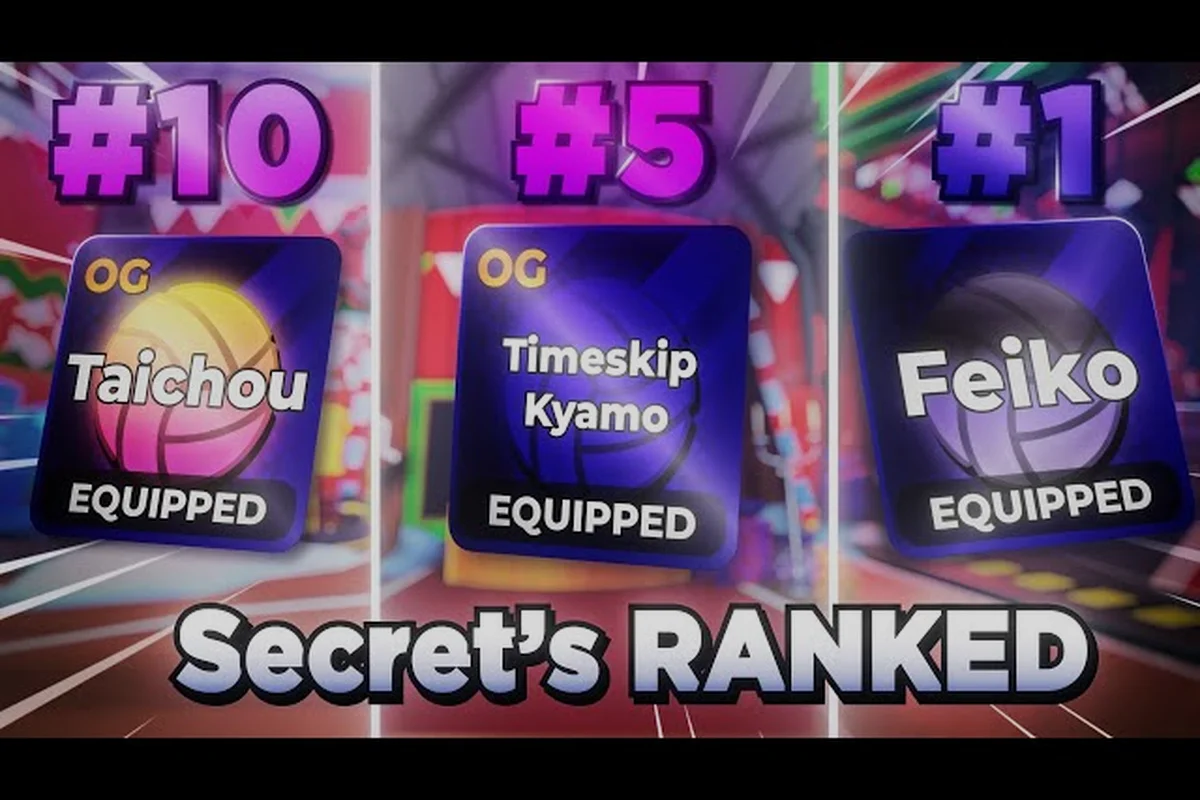
Not all volleyball legends style actives are created equal. The current meta rewards actives that either secure a point directly or deny the opponent's best option. Community tier lists from recent updates consistently place Feiko and Timeskip Hinto near the top for their ability to swing rallies with a single well-timed trigger.
The ranking below reflects community consensus as of the latest update, based on data from the meta styles breakdown. Your personal ranking may shift depending on whether you play setter, spiker, or blocker.
Secret Style Active Rankings
| Style Name | Active Effect | Passive Effect | Meta Tier |
|---|---|---|---|
| Feiko | Set speed +20% for 6s | Receive range +10% | S |
| Timeskip Hinto | Spike power +25% for 4s | Jump height +12% | S |
| Sanju | Block width +18% for 5s | Block recovery -15% | A |
| Timeskip Kyamo | Serve curve +22% for 3s | Serve accuracy +9% | A |
| Hakka | Speed burst +15% for 8s | Stamina drain -10% | B |
The S-tier actives share a common trait: they amplify a core action that already scores points. Feiko makes your sets nearly unreadable for the opposing blockers, while Timeskip Hinto turns an average spike into a kill shot. A-tier actives are strong but more situational—Sanju only shines when the opponent relies on predictable spike angles.
What Makes an Active Worth Using
A strong active has three qualities: a meaningful effect magnitude, a duration long enough to complete the intended action, and a cooldown that allows multiple uses per set. Actives with 3-second durations often expire before you finish your approach, making them feel clunky. Actives with 8-second durations give you room to reposition and still benefit.
The worst actives in the game provide small percentage boosts to stats that rarely matter, like +5% to serve toss height. These actives exist to dilute the pool and make good rolls feel rarer. When you roll a style with a weak active, check the passive before dismissing it entirely—some styles compensate with exceptional passive value.
Style Passives That Quietly Win Matches
Volleyball legends style passives are the unsung heroes of the meta. A passive never asks for your attention, never requires timing, and never goes on cooldown. It simply makes your character better at something for the entire match. The best passives in the game provide compounding advantages that opponents cannot easily counter because they are invisible.
Consider a passive that reduces your stamina drain by 10%. On paper, that sounds minor. In practice, it means you can jump for one extra block attempt before needing to recover, which translates to one extra point saved per set. Over a best-of-three match, that passive might be worth 3-5 points—more than most actives contribute.
Passive Tier Breakdown
| Passive Category | Example Effect | Impact Level | Why It Matters |
|---|---|---|---|
| Stamina Management | Drain -10% | High | More jumps, longer rallies |
| Receive Stability | Error chance -8% | High | Fewer free points given away |
| Jump Enhancement | Height +8% | Medium | Better blocks and spikes |
| Speed Adjustment | Movement +6% | Medium | Faster court coverage |
| Serve Accuracy | Deviation -5% | Low | Marginal point impact |
Stamina and receive passives dominate because they address the two most common failure points in Volleyball Legends: running out of energy mid-rally and shanking a serve receive. A style with both a stamina passive and a receive passive is valuable even if its active is mediocre.
How Passives Stack With Actives
When a style's passive and active target the same stat, the combined effect can be devastating. Timeskip Hinto provides a +12% jump height passive and a +25% spike power active. Triggering the active after already benefiting from the passive creates a spike window that most blockers cannot contest. This synergy is what separates S-tier styles from A-tier styles.
The top styles guide includes a deeper analysis of which passives currently outperform their rarity tier, including several underrated styles that players consistently overlook. For example, some Epic-tier passives with +8% jump height can out-value Legendary passives that only boost a secondary stat like receive speed, because spike height directly converts into scoring opportunities. The guide also breaks down how to evaluate a style's passive before committing to style spins, so you can prioritize actives that compound with the strongest passives instead of chasing raw rarity.
Building a Style Strategy Around Actives and Passives
Your style choice should flow from your role and your team composition. A solo queue player needs a style that covers their own weaknesses, while a coordinated team can afford to specialize. The decision framework below helps you evaluate any style you roll.
Role-Based Style Selection
Setters should prioritize passives that improve receive stability and stamina, because they touch the ball on nearly every rally. An active that boosts set speed is a bonus, but a setter who cannot receive serves cleanly will never get the chance to use it. Spikers want jump height and spike power, with actives that trigger during their approach. Blockers need block width and recovery speed, with actives that punish predictable hitters.
| Role | Priority Passive | Priority Active | Style Example |
|---|---|---|---|
| Setter | Receive stability | Set speed | Feiko |
| Spiker | Jump height | Spike power | Timeskip Hinto |
| Blocker | Block recovery | Block width | Sanju |
| All-Rounder | Stamina drain | Speed burst | Hakka |
The all-rounder category exists for players who fill multiple roles in solo queue, where teammate compositions shift from match to match without warning. A style like Hakka earns its slot because the speed burst active covers defensive rotations when your random setter overcommits, while the stamina drain passive keeps you viable through five-set matches that drag past the 20-minute mark. This combination matters most in ranked solo queue, where you cannot rely on coordinated substitutions or role swaps — you need a kit that functions whether you are covering back-row receives, transitioning into a quick attack, or chasing a shanked pass to the sideline.
When to Settle for a Mid-Tier Style
Not every player will roll a secret style, and that is fine. A rare style with a strong passive can outperform a secret style with a mismatched active. The key is evaluating what you actually need rather than chasing rarity for its own sake. If you roll a rare style with a +8% receive stability passive and you play setter, that style might serve you better than a secret style built for spikers.
The ability styles overview catalogs every currently available style with its full active and passive breakdown, which helps you compare rolls side by side before committing. For example, if you are deciding between a rare style with +8% receive stability and an epic style with +6% spike power, the overview lets you weigh whether your setter role benefits more from clean first touches or from a marginal offensive boost you will rarely use. This side-by-side comparison matters because style spins cost Style Tokens or Robux, and rerolling a serviceable rare style chasing a secret tier can drain your resources without a guaranteed payoff — so checking the catalog first turns a gamble into a calculated decision.
Frequently Asked Questions
What is the difference between a style active and a style passive?
A style active is a triggered ability you activate manually during a rally, with a short duration and cooldown. A style passive is a permanent stat adjustment that applies automatically from the moment you equip the style. Both layers contribute to a style's overall value, but they demand different things from the player.
How do I get more spins for style rolling?
You earn spins by converting Yen, which comes from match completions, win streaks, and daily rewards. Multi-spin bundles cost 2,250 Yen for five rolls, saving 250 Yen compared to single spins. Event banners sometimes offer free spins as login rewards during limited-time windows.
Which style has the best active in the current meta?
Feiko and Timeskip Hinto are widely considered the strongest actives as of the latest update. Feiko boosts set speed by 20% for six seconds, while Timeskip Hinto adds 25% spike power for four seconds. Both actives directly increase point-scoring potential when timed correctly.
Do style passives stack with actives?
Yes, passives and actives stack when they affect the same stat. Timeskip Hinto provides a permanent +12% jump height passive that combines with its +25% spike power active, creating a spike window that is extremely difficult to block. This synergy is a major factor in S-tier rankings.
Can I get secret styles without spending Yen?
Secret styles only drop from the spin system, which requires Yen. There is no guaranteed free secret style from normal gameplay. However, event banners occasionally feature boosted rates or free spin rewards, so monitoring banner rotations is the most efficient way to chase secret styles without overspending.